
Commercial Real Estate in 2025: A Market Redefined by Innovation & Resilience
Commercial real estate (CRE) is one of the most dynamic sectors in the global economy, encompassing a wide range of property types that power everything from retail and logistics to tech and healthcare. In 2025, the industry finds itself at a pivotal moment—where legacy models meet rapid innovation.
Whether you’re an investor, developer, broker, or business owner, understanding where CRE is headed is crucial.
? What Is Commercial Real Estate?
Commercial real estate refers to properties used exclusively for business purposes, including:
- Office buildings (traditional, co-working, and flex spaces)
- Retail properties (malls, storefronts, lifestyle centers)
- Industrial spaces (warehouses, distribution centers, manufacturing)
- Multifamily housing (apartments, condos — sometimes classified as commercial when large-scale)
- Hospitality (hotels, resorts)
- Special-use properties (healthcare, data centers, self-storage)
Each category responds differently to market conditions and technological change, offering varied risk and return profiles for stakeholders.
? Key Trends in Commercial Real Estate
1. Hybrid Work Is Reshaping Office Space
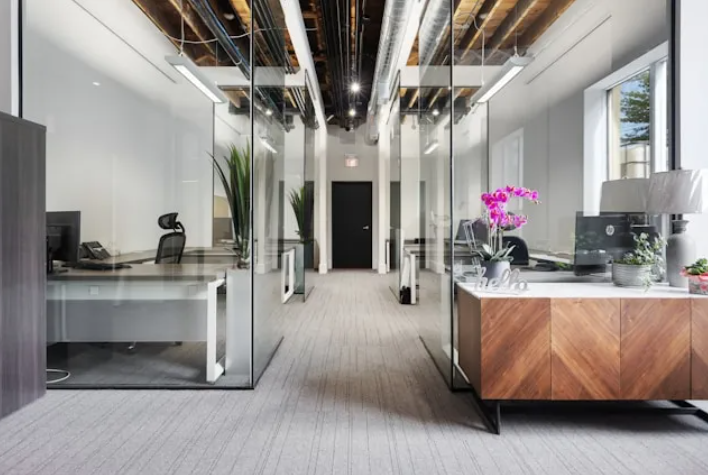
The traditional office is no longer a default. Many companies are downsizing or reconfiguring space for hybrid work, leading to demand for flexible leases, shared amenities, and smart building tech. Trophy assets in prime locations are still performing well, but outdated Class B/C buildings are facing vacancies.
2. Industrial and Logistics Are Booming
Driven by the rise of e-commerce, industrial real estate continues to see strong demand. Warehouses, cold storage, and last-mile delivery hubs are in high demand, especially in urban peripheries and transport corridors.
3. Retail Is Evolving, Not Dying
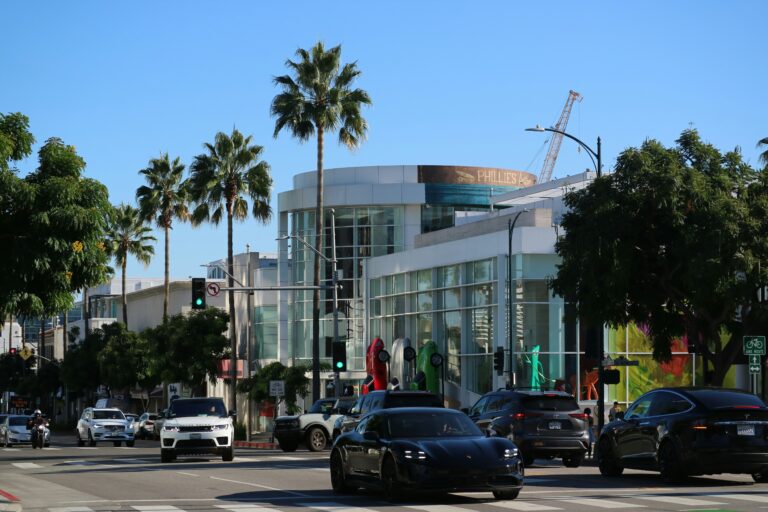
While some retail formats (e.g., enclosed malls) have declined, others—like grocery-anchored centers, neighborhood retail, and experience-focused spaces—are thriving. Retail is now about blending physical presence with digital strategy.
4. Data Centers and Life Sciences are CRE Growth Engines
Emerging asset classes like data centers, lab space, and medical offices are drawing institutional investment. These properties offer high yields and long-term tenant stability.
5. Sustainability and ESG Integration
Environmental, Social, and Governance (ESG) factors are no longer optional. Green buildings, energy-efficient retrofits, and certifications like LEED or WELL are driving tenant and investor decisions alike.
? Investment Outlook: Risks & Opportunities
✅ Opportunities:
- Distressed asset acquisition (office, retail)
- Build-to-rent multifamily and co-living models
- Infrastructure-adjacent industrial space
- Mixed-use urban infill developments
- Net lease properties with high-credit tenants
⚠️ Challenges:
- Interest rate volatility affects financing and cap rates
- Remote work continues to pressure office markets
- Regulatory shifts, especially zoning and tax policies
- Insurance premiums are rising in climate-sensitive regions
? What CRE Professionals Should Focus on in 2025
- Data-driven decisions — From AI-powered valuations to predictive analytics.
- Tenant experience — Amenities, technology, and flexibility matter more than ever.
- Adaptive reuse — Converting outdated buildings into new-use properties is on the rise.
- Localized strategy — CRE is hyperlocal. A national trend might not reflect neighborhood demand.