
Healthcare is no longer confined to hospitals or clinics — it’s now embedded in our neighborhoods, shopping centers, and even homes. As the healthcare industry evolves, so does the real estate that supports it.
Welcome to the world of healthcare real estate, a growing and resilient sector where property meets patient care. Whether you’re a medical provider, real estate investor, or developer, this space presents long-term opportunity and stability in an uncertain market.
? What Is Healthcare Real Estate?
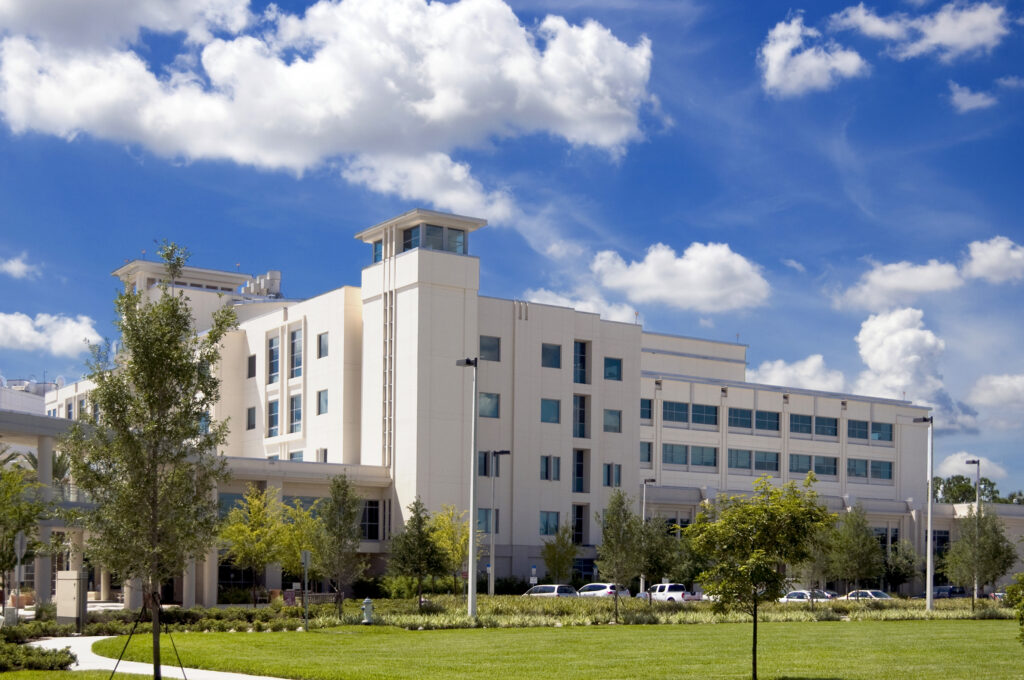
Healthcare real estate (HRE) includes any property developed, leased, or owned for the delivery of medical, dental, or wellness-related services. Common property types include:
- Medical Office Buildings (MOBs)
- Hospitals and Outpatient Centers
- Dental and Orthodontic Offices
- Behavioral Health Clinics
- Urgent Care & Primary Care Facilities
- Surgical Centers
- Physical Therapy & Rehab Clinics
- Senior Living and Assisted Living Facilities
- Retail Health Clinics and Wellness Spaces
? Why Healthcare Real Estate Is on the Rise
✅ 1. Stable, Recession-Resistant Demand
People need healthcare regardless of the economic climate. Even during downturns, patients require treatment, diagnostics, and preventative care—making HRE a reliable income-producing asset class.
✅ 2. The Aging Population Is Driving Demand
By 2030, 1 in 5 Americans will be 65 or older. This demographic shift is fueling demand for healthcare services, especially outpatient care, senior housing, and chronic disease management facilities.
✅ 3. Shift to Outpatient & Ambulatory Care
Care is moving out of the hospital and into community-based, outpatient centers. These properties are cheaper to operate, more accessible for patients, and favored by insurers.
✅ 4. Retail & Healthcare Are Merging
Many healthcare providers are leasing space in retail settings—former banks, grocery stores, or strip centers—turning them into dental offices, urgent care clinics, and wellness hubs.
✅ 5. Investor Demand Is Surging
Institutional investors, REITs, and private equity are actively buying healthcare properties for their long-term lease structures, low vacancy rates, and reliable tenants.
? Key Trends in Healthcare Real Estate (2025)
? 1. Mental & Behavioral Health Real Estate
The demand for mental health services has exploded. Providers need spaces that are private, accessible, and trauma-informed — creating a new subcategory of healthcare-focused facilities.
? 2. Dental & Specialty Practices Expanding
Dental, ortho, dermatology, and aesthetics practices are growing — especially in suburban areas. These users often require custom build-outs, driving demand for owner-occupied or purpose-built spaces.
? 3. Tech-Enabled Clinics
Modern healthcare spaces are incorporating telehealth rooms, AI diagnostics, wearable tech infrastructure, and patient self-check-in zones — changing how space is designed and used.
? 4. Wellness-Centered Environments
Design matters. Patients now expect calming, accessible, eco-conscious spaces — with natural light, air purification, greenery, and ergonomic layouts.
? 5. DSO & MSO Growth
Dental Service Organizations (DSOs) and Management Service Organizations (MSOs) are rapidly consolidating practices — fueling demand for multi-location footprints and scalable real estate strategies.
?️ Development & Investment Considerations
If you’re building, leasing, or acquiring healthcare real estate, here’s what matters:
- Zoning & approvals (healthcare use often requires special permits)
- ADA compliance & accessibility
- Parking ratios for patients and staff
- HVAC & plumbing for medical equipment
- Proximity to hospitals or population centers
- Tenant improvements (TI) and build-out costs
? Investing in Healthcare Real Estate: Who Should Consider It?
Healthcare real estate is ideal for:
DSOs and MSOs aiming for scalable, branded locations
Medical professionals looking to own their building
Private investors seeking stable, long-term cash flow
REITs and institutions expanding into alternative assets
Developers with access to medical tenants or local healthcare demand