
Dental Real Estate: A Niche Market with Strong, Stable Demand
As healthcare real estate evolves, dental real estate has emerged as a resilient and attractive niche. With consistent patient demand, long-term leases, and specialized build-outs, dental offices offer stability and value—both for practice owners and real estate investors.
In this blog, we’ll explore what makes dental real estate unique, current trends, and how dentists and investors can make the most of this opportunity.
? What Is Dental Real Estate?
Dental real estate refers to commercial properties used specifically for dental practices. This includes:
- General dentistry offices
- Oral surgery clinics
- Orthodontic or pediatric dentistry
- Multi-specialty dental centers
- Dental service organization (DSO) locations
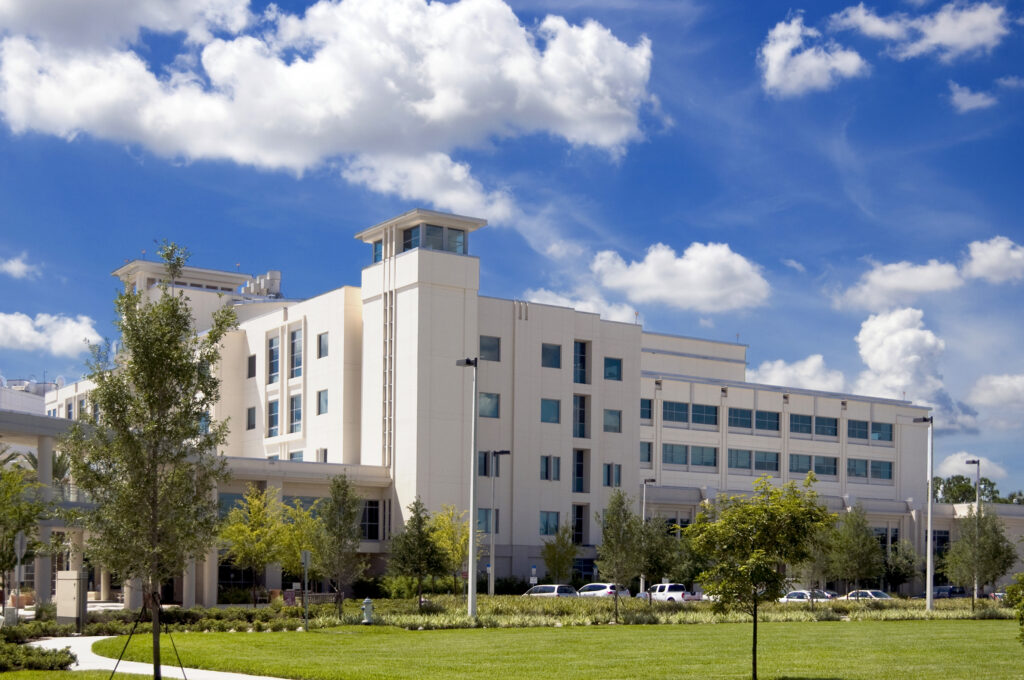
These practices typically occupy retail, medical office, or freestanding buildings, often with high-visibility locations and long-term leases.
? Why Dental Real Estate Is a Strong Asset
✅ 1. Recession-Resistant
Dental care is a need, not a luxury. Even during economic downturns, patients require cleanings, emergencies, and essential procedures—making dental real estate relatively recession-proof.
✅ 2. Long-Term Tenants
Dental offices involve significant build-outs (e.g., plumbing, equipment installation, X-ray rooms), making dentists less likely to move frequently. Leases typically span 7–15 years, offering stable cash flow.
✅ 3. Attractive to Investors
Dental practices offer:
- Low tenant turnover
- High renewal rates
- Creditworthy tenants (especially DSO-backed clinics)
This makes them popular among investors seeking triple net (NNN) lease opportunities.
✅ 4. Prime Retail and Medical Synergy
Dental offices often thrive in retail corridors, near pharmacies, grocery stores, or medical complexes—making them ideal for mixed-use developments.
? Trends in Dental Real Estate (2025)
? 1. Rise of DSOs (Dental Service Organizations)
DSOs are consolidating the market, leasing or buying multiple locations across regions. This is driving demand for multi-location dental spaces with consistent branding and infrastructure.
? 2. Digital Dentistry = New Space Needs
More practices are incorporating digital X-rays, 3D printing, and intraoral scanning—shifting design and equipment requirements. Developers must accommodate tech infrastructure.
? 3. Medical-Retail Crossover
Dental offices are moving into former retail spaces (like old bank branches or fast-food locations), especially in suburban and secondary markets. Visibility and parking access are key.
? 4. Sustainability & Patient Experience
Patients now expect more than just clinical efficiency. Clean, eco-conscious, and modern dental environments (with natural lighting, ergonomic design, etc.) are a competitive advantage.
? Buy vs. Lease: What Should Dentists Do?
- Leasing is ideal for new or expanding practices that want flexibility or lower upfront costs.
- Buying makes sense for established practices with long-term plans and the ability to build equity in the property.
Many dentists choose to own the real estate through an LLC separate from the practice entity—building long-term wealth while protecting assets.
?️ Tips for Dental Real Estate Development
Whether you’re a dentist looking to open a new practice, or a developer targeting the healthcare sector, here are key considerations:
- Location with high foot traffic or strong demographics
- 1,800–3,500 sq ft ideal for most dental offices
- Access to parking and ADA compliance
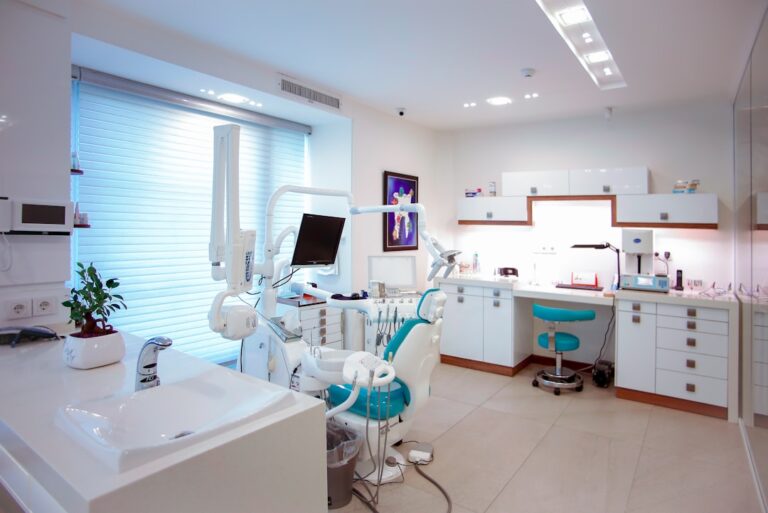
- Plumbing, HVAC, and electrical capacity for equipment
- Proximity to complementary services (pharmacies, general medical, etc.)