
Retail real estate—once the cornerstone of urban and suburban commerce—is undergoing a significant transformation. With shifting consumer behavior, the rise of e-commerce, and changing economic dynamics, the way retailers and investors engage with retail spaces is evolving rapidly. But with change comes opportunity.
? What Is Retail Real Estate?
Retail real estate refers to properties that are used exclusively for selling consumer goods and services. These include:
- Shopping malls
- Standalone retail stores
- Strip malls
- Lifestyle centers
- Big-box retail spaces
- Urban high-street storefronts
These properties are typically leased to businesses that rely on physical foot traffic, though the lines are blurring as retailers adapt to omnichannel strategies.
? Current Trends Shaping Retail Real Estate
1. Experiential Retail
Traditional retail is no longer just about selling products—it’s about creating memorable experiences. Brands are investing in interactive, immersive store formats that offer something e-commerce cannot. Think Apple Stores, Nike House of Innovation, or small indie coffee/book shops that double as community hubs.
2. Omnichannel Integration
Retailers are blending online and offline experiences. Features like click-and-collect, in-store returns for online orders, and digital inventory displays are becoming standard. Retail real estate now serves as a hybrid logistics and brand experience center.
3. Mixed-Use Developments
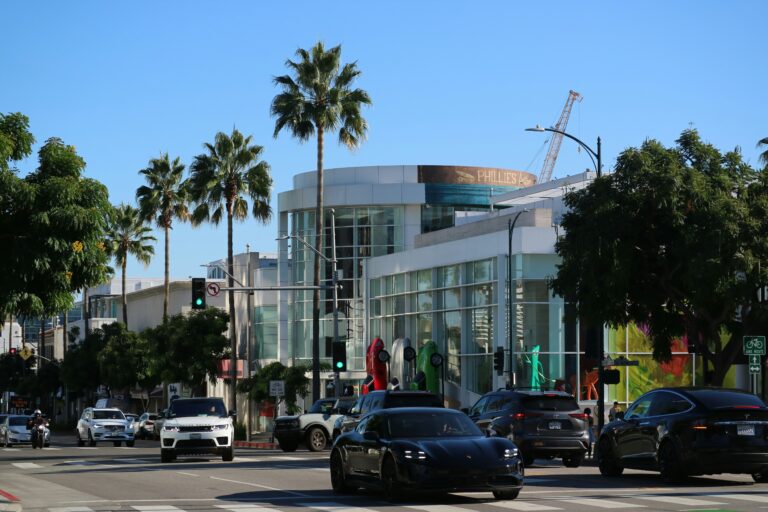
Retail is increasingly being integrated into mixed-use developments that include residential units, office space, hospitality, and entertainment. This makes retail space more resilient and versatile, especially in urban areas.
4. Resurgence of Local and Neighborhood Retail
The pandemic and remote work trends have brought local retail back into focus. People are spending more time in their neighborhoods, boosting demand for convenience stores, cafes, and service-oriented retail close to home.
5. Focus on Sustainability
Green buildings, energy-efficient designs, and sustainable operations are now essential. Both consumers and tenants are demanding retail spaces that align with ESG (Environmental, Social, Governance) goals.
? Challenges Facing Retail Real Estate
- Vacancy rates in traditional malls and big-box centers remain high in some regions.
- E-commerce growth continues to pressure brick-and-mortar stores, especially in commoditized product categories.
- Changing zoning laws and urban planning regulations can impact development.
- Consumer unpredictability, especially post-pandemic, creates uncertainty for long-term leases.
? Investment Opportunities in Retail Real Estate
Despite its challenges, retail real estate presents unique opportunities:
- Distressed assets can offer value-add investment opportunities.
- Redevelopment projects, turning underperforming malls into mixed-use hubs or logistics centers.
- Net lease retail properties (like pharmacies or fast-food chains with long-term leases) offer stable income.
- Grocery-anchored retail centers are proving highly resilient.